PERUVIAN AIR FORCE


AVIATION TRAINING CONSULTING

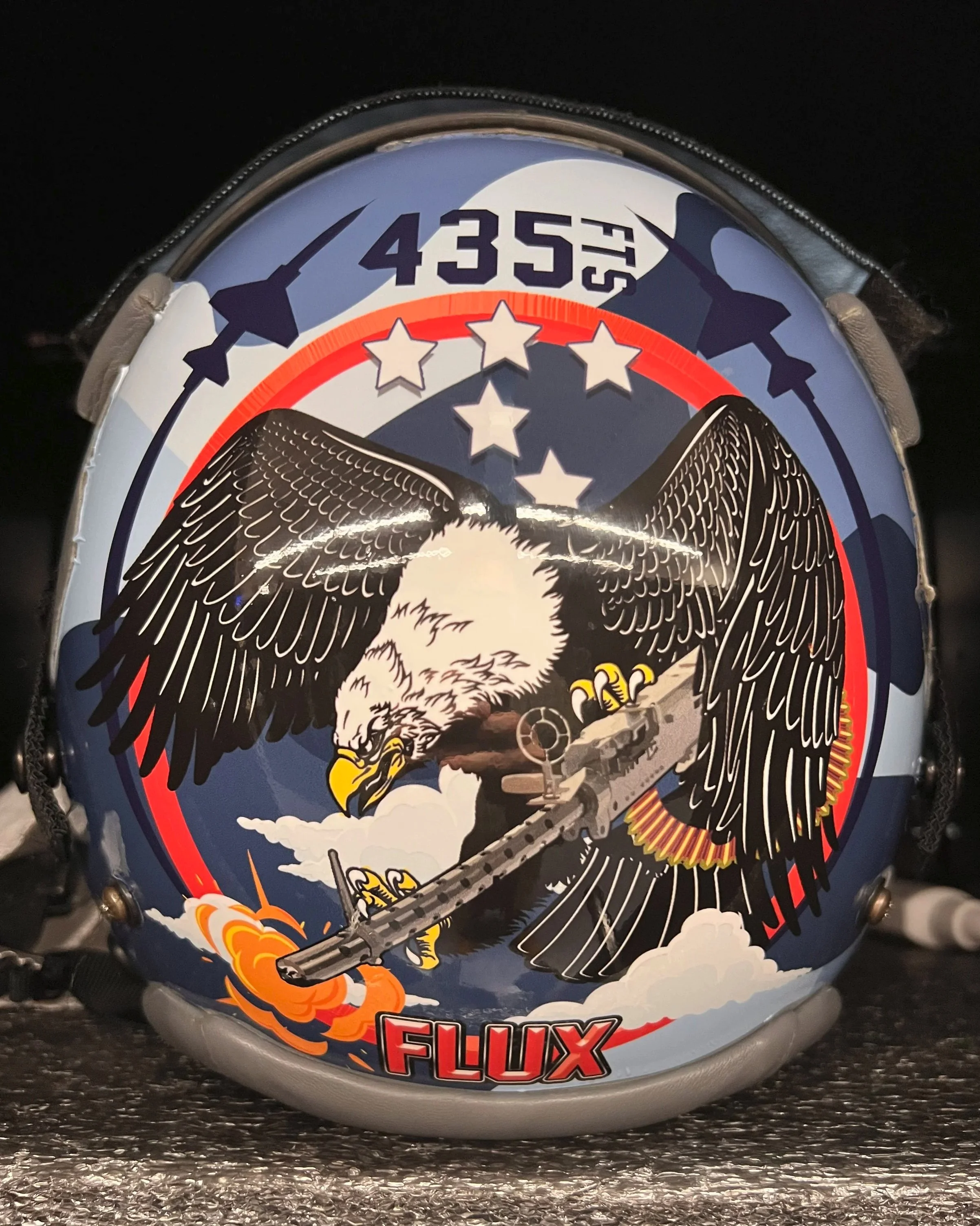
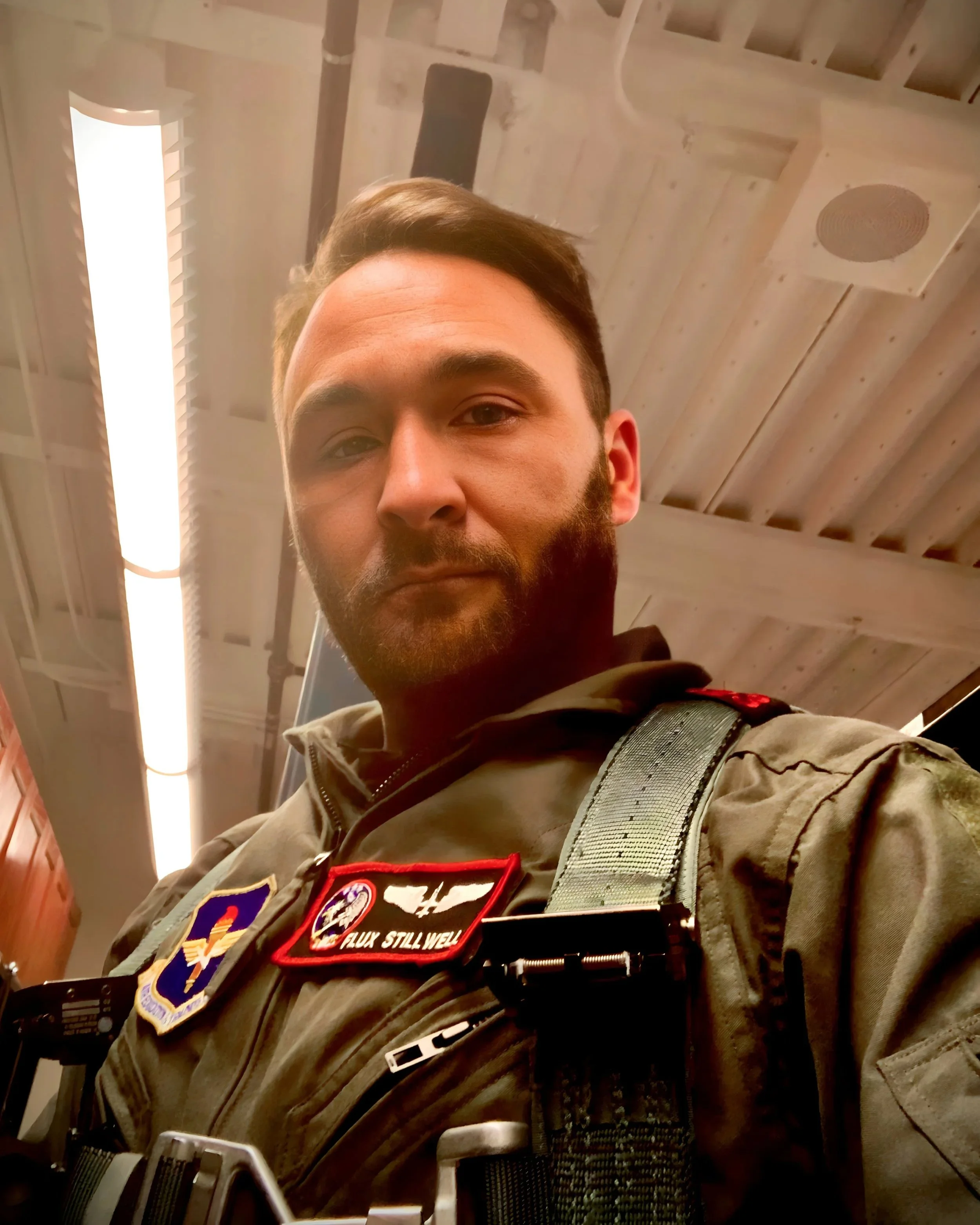
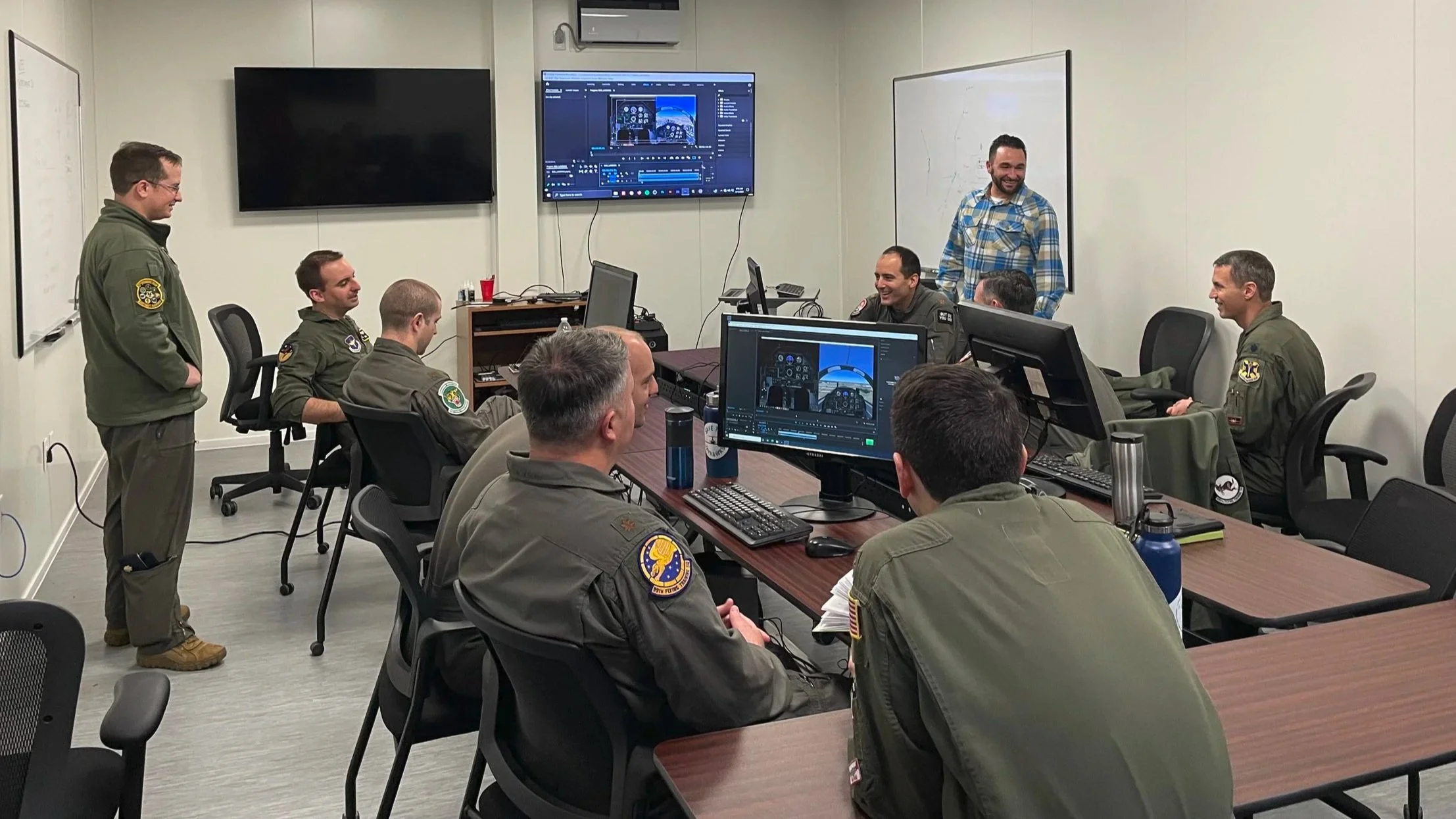
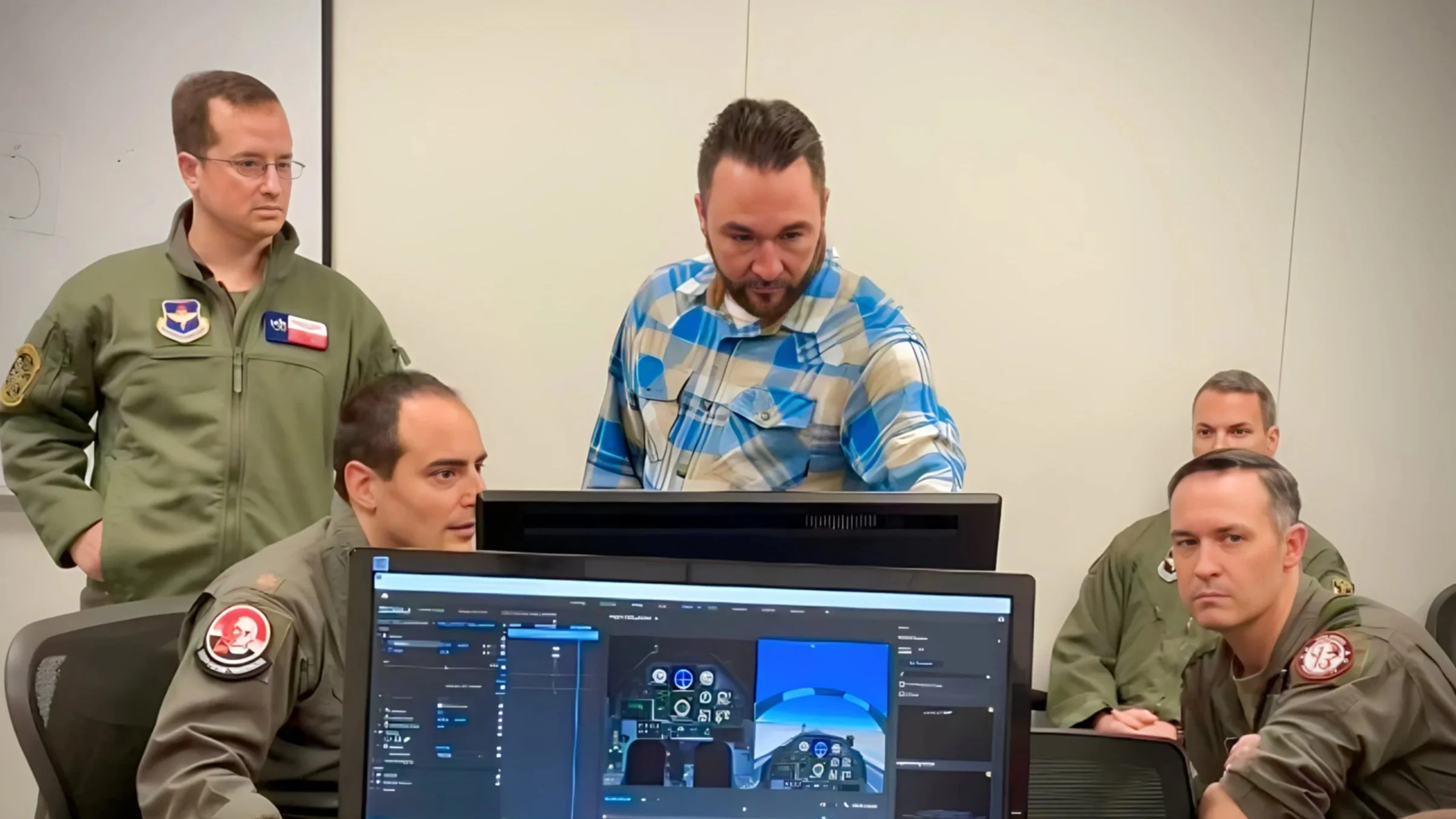
Flux Mechanics provided remote consulting services supporting aviation training modernization initiatives for the Peruvian Air Force. Through a series of technical discussions and planning sessions, I advised military leadership on immersive training technologies, instructional media, simulation capabilities, and cost-effective implementation strategies. Drawing upon experience developing aviation training solutions for the United States Air Force, the engagement focused on identifying practical approaches that could enhance pilot training while remaining adaptable to future fleet modernization efforts.

 149th AIR NATIONAL GUARD


AVIATION & TRAINING CONSULTING

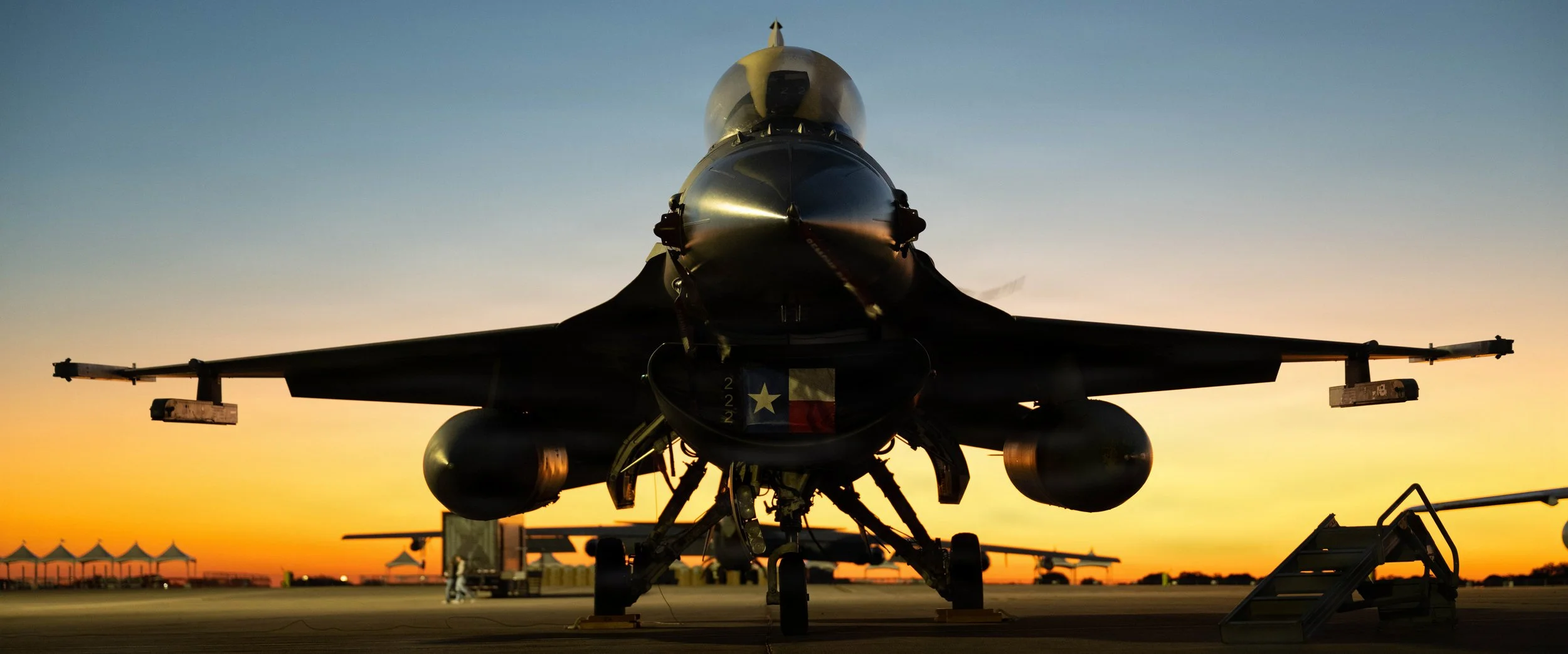
Flux Mechanics provided consulting services supporting F-16 B-Course training, instructional media, and emerging aviation training technologies for the 149th Air National Guard. Working directly with military leadership, instructor pilots, and subject matter experts, I leveraged experience gained through years of developing immersive training for the United States Air Force to evaluate new instructional capabilities, advise on training integration, and produce authentic flight training media. These efforts focused on improving training effectiveness while ensuring every solution remained aligned with operational requirements, instructional objectives, and the needs of the aircrews who would ultimately use them.

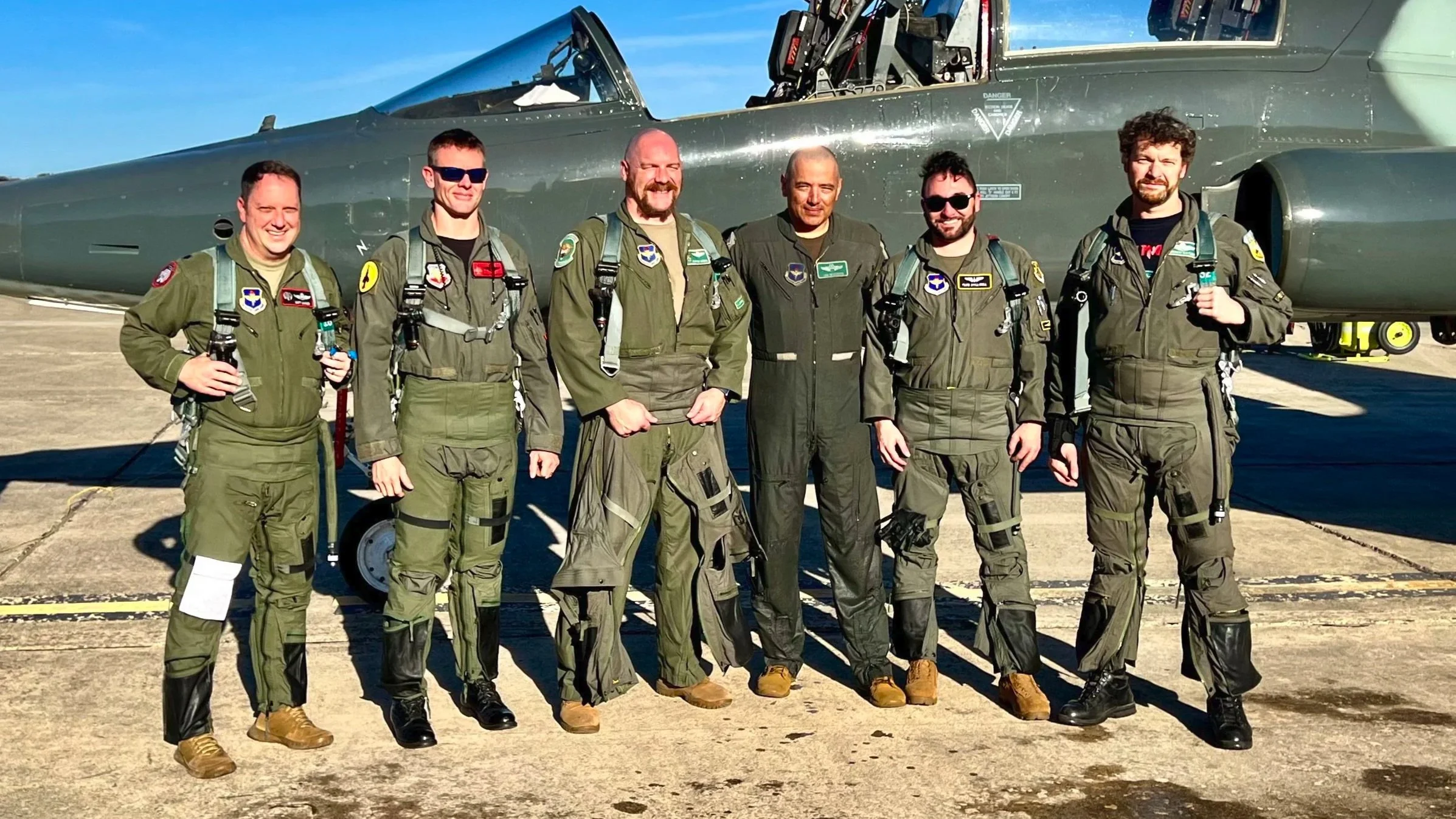
As part of these efforts, I evaluated and demonstrated QVIX eye-tracking technology to determine its potential application within Air Force pilot training. The platform analyzed pilot gaze behavior during flight and preflight operations, allowing instructors to measure not only where a student looked, but whether critical aircraft components received the fixation necessary to demonstrate meaningful recognition. During preflight inspections, the system could identify instances where a student visually passed over simulated discrepancies—such as missing cotter pins or fluid leaks—without cognitively processing them, providing instructors with objective performance data that traditional observation alone could not capture.

Because of my reputation supporting Air Force aviation training programs, I was invited to evaluate how the technology could integrate into existing USAF training pipelines and determine whether it offered meaningful value to instructors and students. I conducted demonstrations for Air Force personnel, introduced the platform to additional stakeholders, and supported ongoing evaluations by providing aviation equipment and instructional resources when access to operational F-16 aircraft was unavailable. The engagement focused on determining how eye-tracking analytics could complement existing training methods while enhancing instructor insight into student performance.

UNITED STATES AIR FORCE


VR Simulation Development

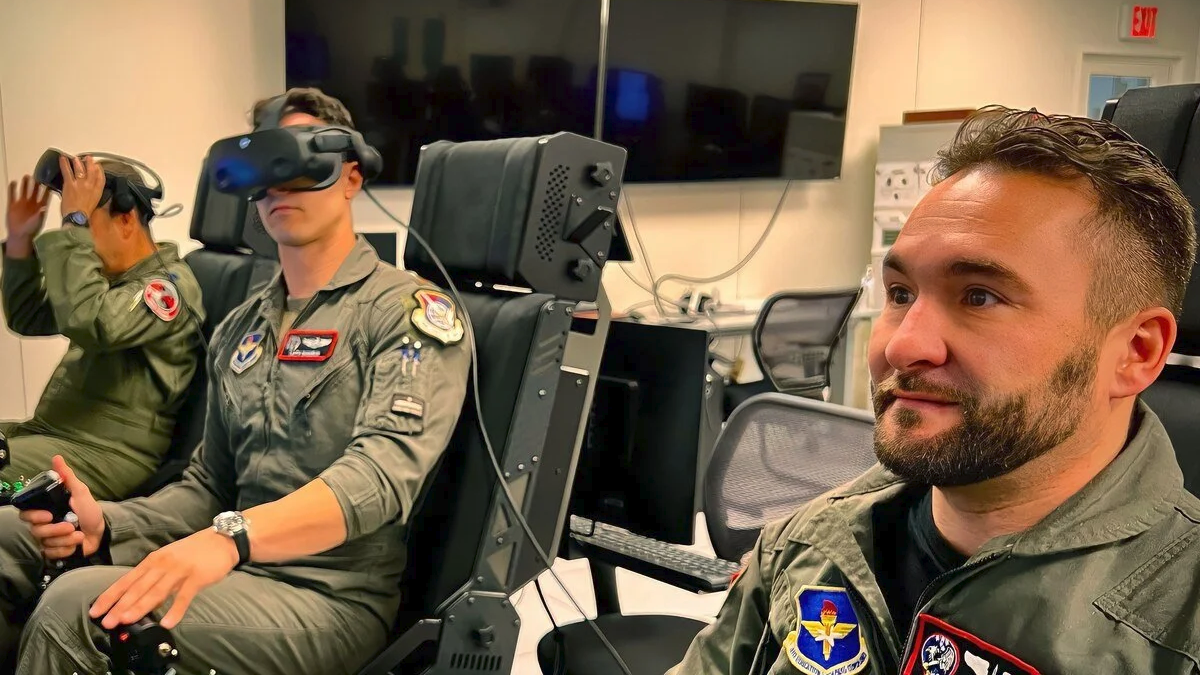
When I began developing immersive training for the United States Air Force, virtual reality was still an emerging technology with little established guidance for military aviation instruction. Recognizing its potential, I independently researched, prototyped, and developed immersive learning applications designed to complement traditional training while providing pilots with new opportunities to build proficiency before entering the aircraft.

Working closely with instructor pilots and subject matter experts, I transformed operational knowledge into interactive training experiences that accurately reflected real-world procedures, aircraft systems, and emergency operations. Every application was refined through continuous collaboration and feedback, ensuring the technology remained focused on improving learning outcomes rather than showcasing innovation for its own sake.

As confidence in the capability grew, immersive training expanded across Air Education and Training Command, supporting Undergraduate Pilot Training, Pilot Instructor Training, Combat Systems Officer Training, Introduction to Fighter Fundamentals, and Advanced Instructor Course. Each new assignment broadened the scope of development, introduced new operational challenges, and strengthened the relationships that would ultimately define my career. What began as an experimental concept evolved into a trusted instructional capability supporting multiple phases of the Air Force's pilot and aircrew training pipeline.

After years of research, development, and operational refinement, the immersive training capabilities my team and I developed had matured beyond the prototype stage. As these programs transitioned into long-term operational support, Vertex Solutions assumed responsibility for sustaining and expanding the capability across Air Education and Training Command. This successful handoff marked the culmination of years of iterative development and validated that the concepts we pioneered had become an enduring part of the Air Force's training ecosystem.

UNDERGRADUATE PILOT TRAINING (UPT)

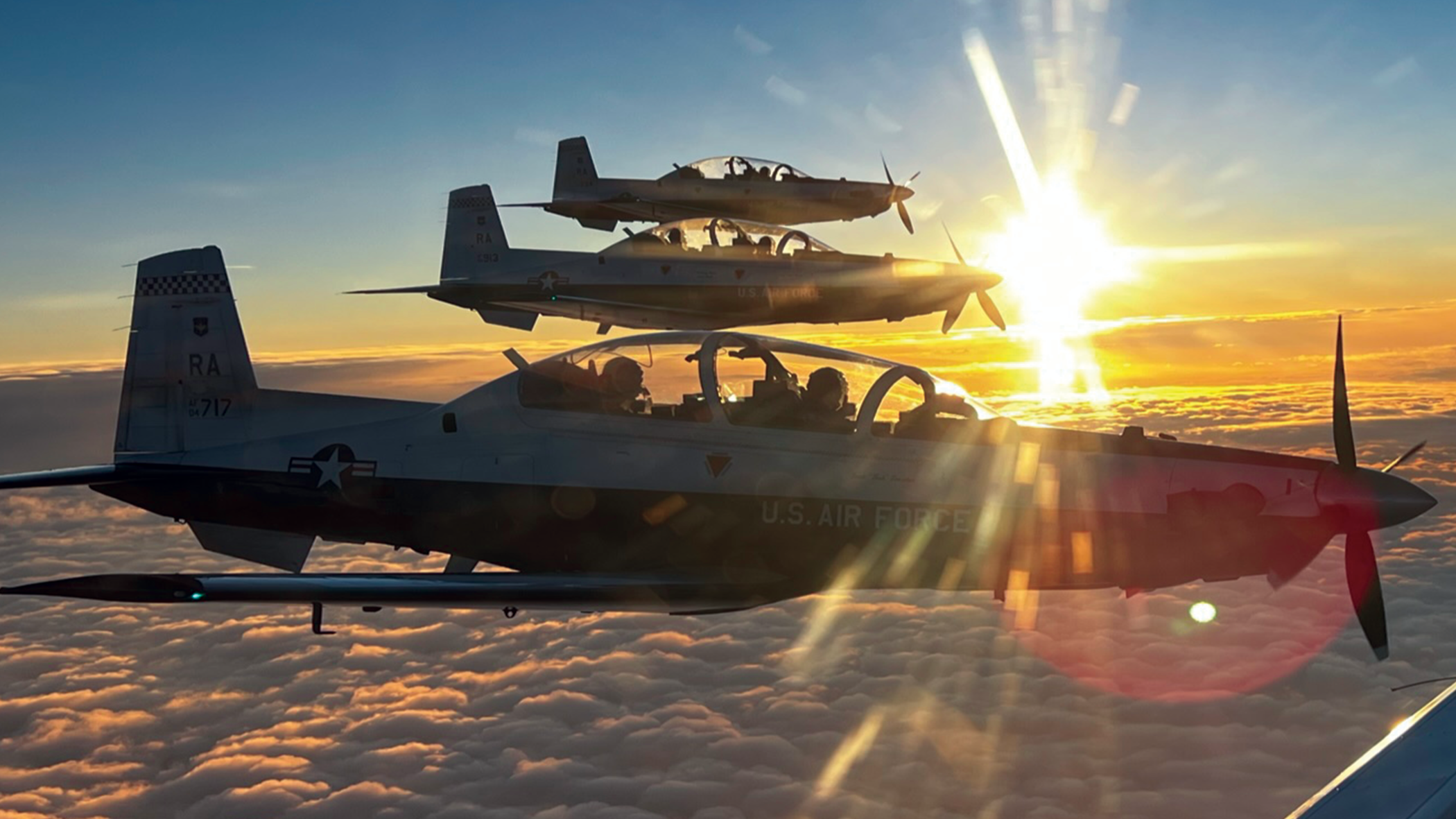
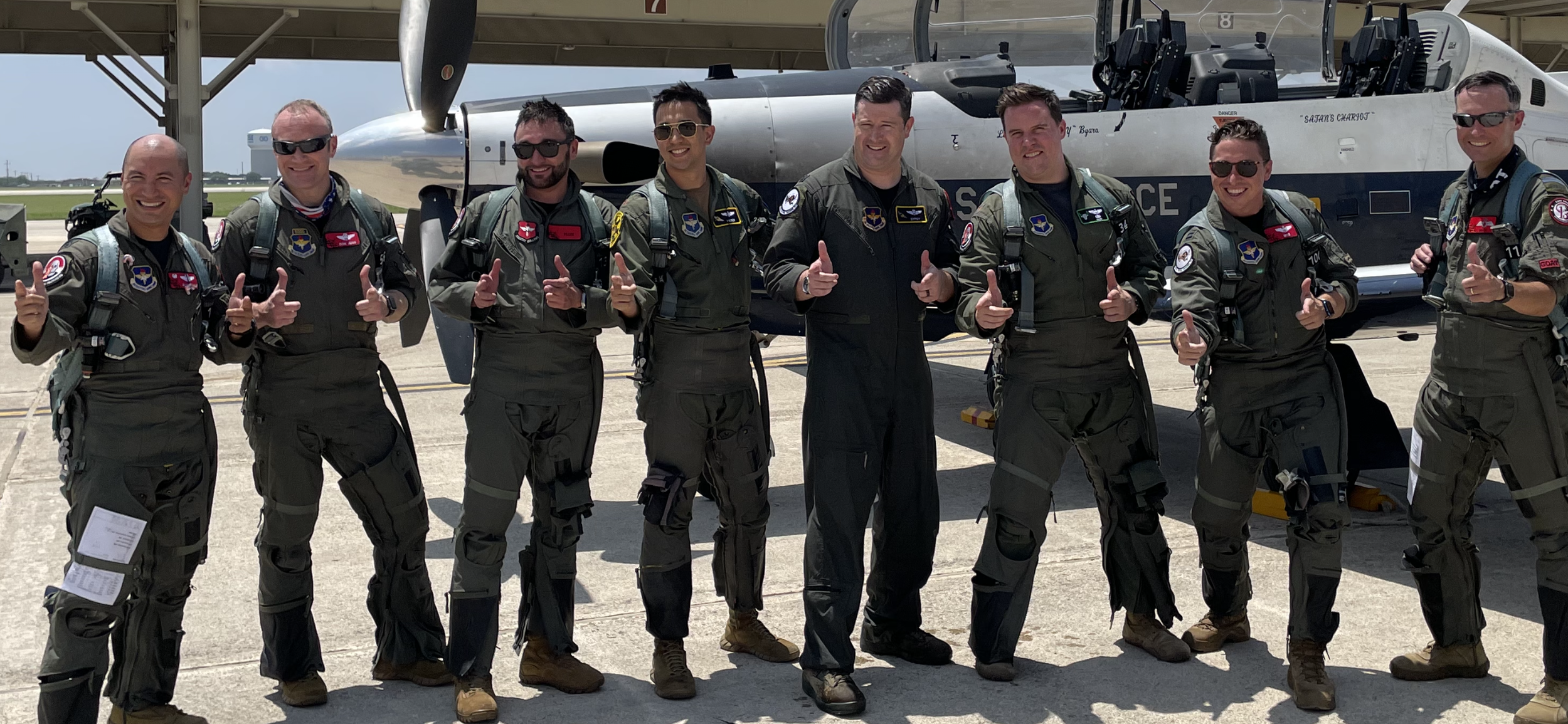
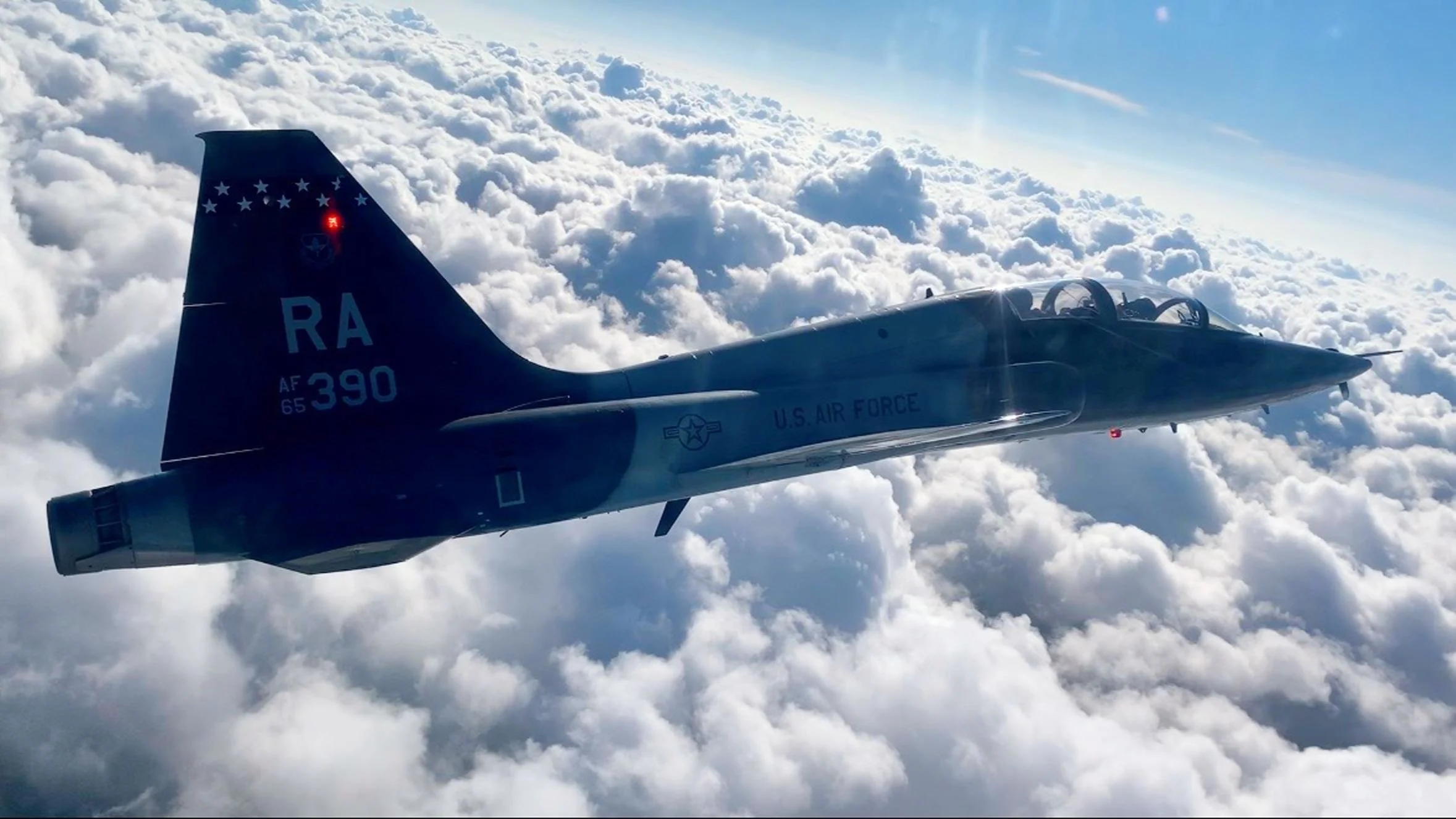
As immersive training capabilities continued to mature, I began supporting the Air Force's Undergraduate Pilot Training (UPT) mission. Working with the 559th Flying Training Squadron "Fightin' Billy Goats" at Joint Base San Antonio-Randolph, I collaborated with instructor pilots and subject matter experts to develop immersive training experiences supporting the T-6A Texan II and the next generation of Air Force pilots.

Working alongside instructors throughout the development process provided valuable insight into how student pilots progressed from academic instruction to cockpit proficiency. Every immersive lesson was designed to reinforce existing training objectives, allowing students to build familiarity with aircraft systems, procedures, and cockpit workflows before stepping into the aircraft.

Supporting Undergraduate Pilot Training fundamentally changed my perspective as a developer. Collaborating directly with instructor pilots and experiencing the training environment firsthand gave me a deeper understanding of how military aviators learn, the challenges they face, and the importance of building training tools that complemented—not complicated—the learning process. Those lessons became the foundation for every immersive training project that followed.

Combat Systems Officer Training (CSO)

Following the successful integration of immersive training within Undergraduate Pilot Training, I was selected to support the Air Force's Undergraduate Combat Systems Officer Training (UCT) mission at Naval Air Station Pensacola. Working with the 479th Flying Training Group, I completed my first Temporary Duty (TDY) assignment supporting the 455th Flying Training Squadron "Nighthawks," developing immersive training for the T-6A Texan II phase of the Combat Systems Officer curriculum.

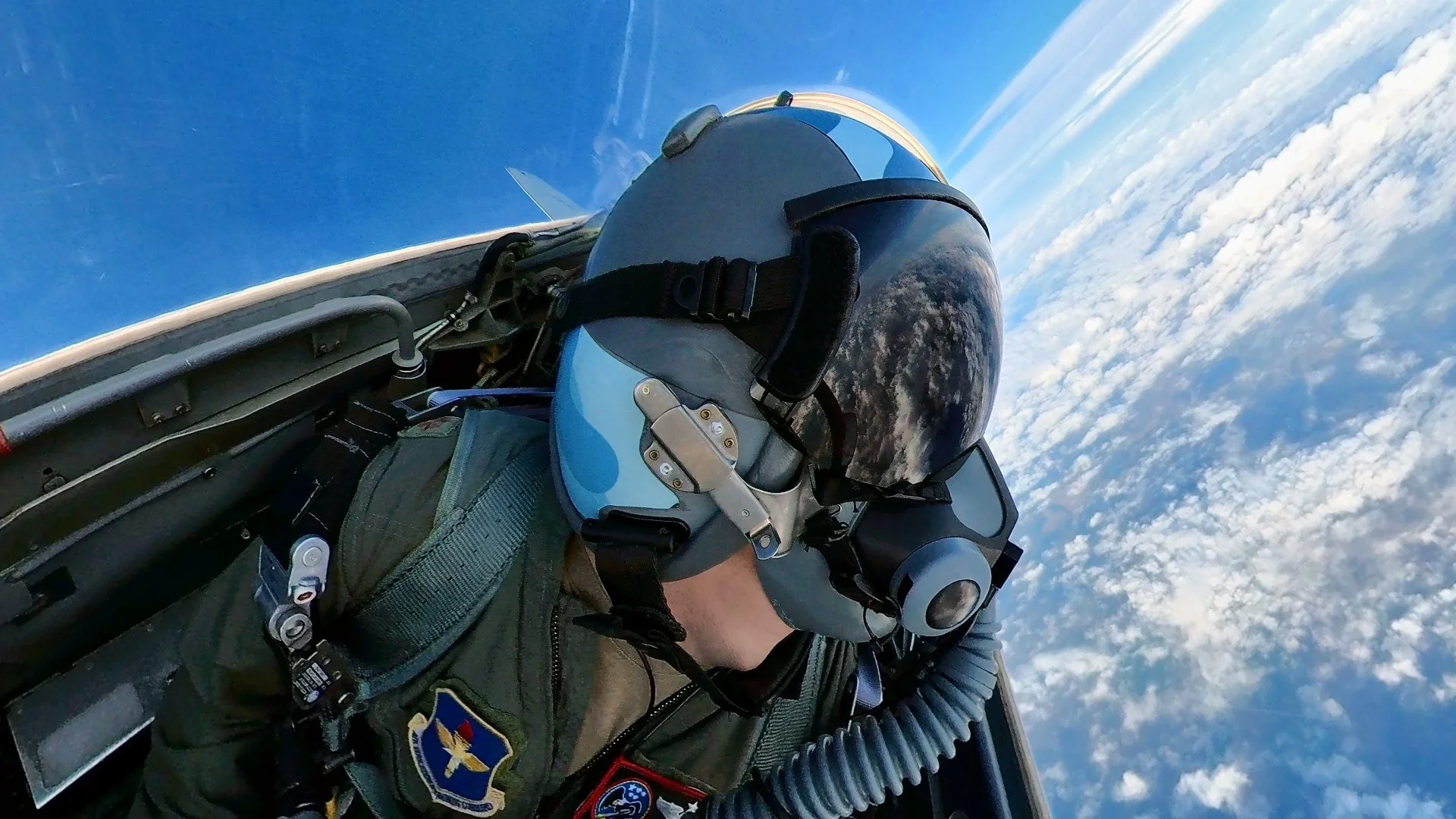
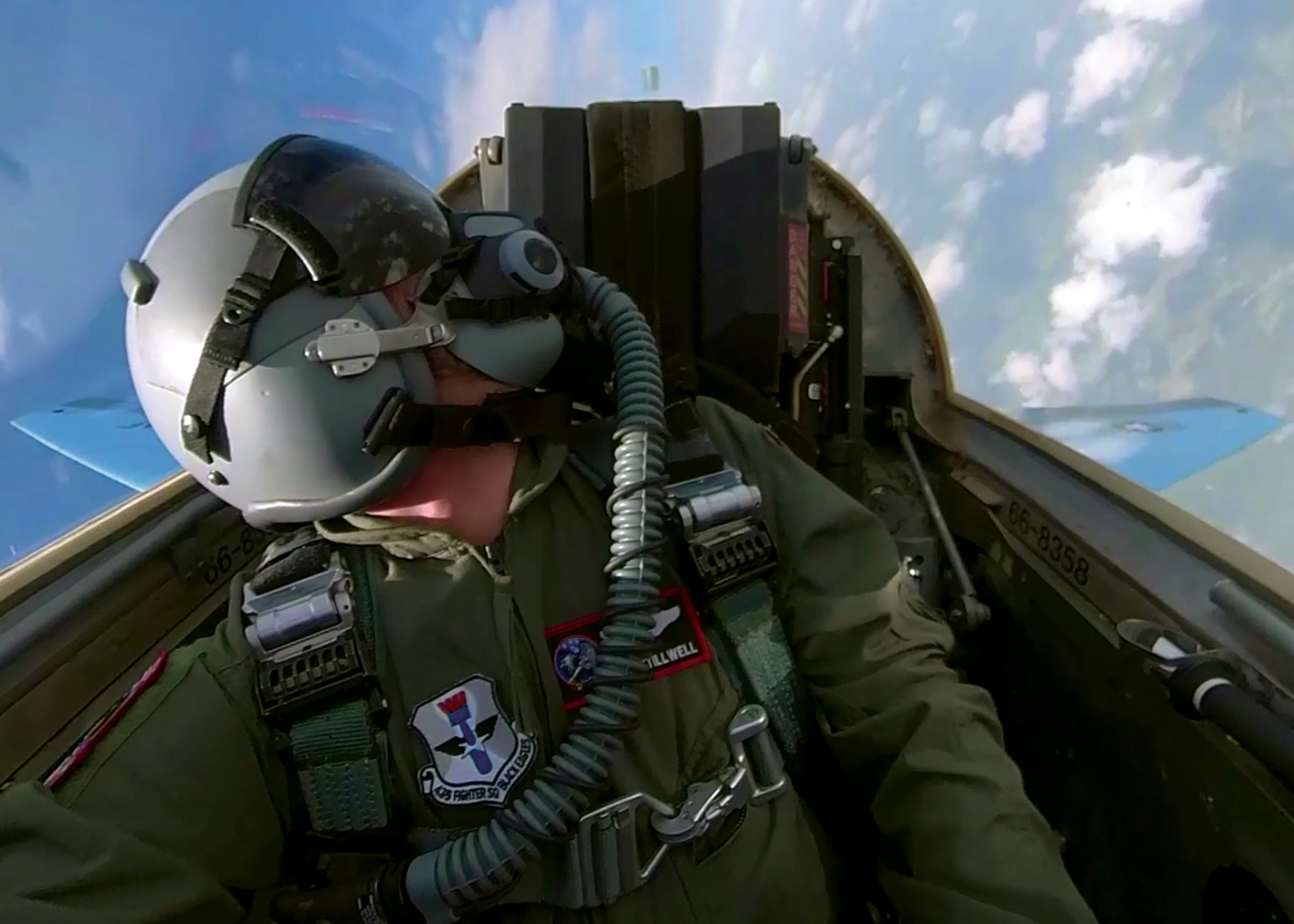
Working directly alongside instructors and aircrew, I flew training sorties while capturing immersive 360° imagery and video from inside the aircraft. Experiencing the curriculum firsthand allowed me to document aircraft procedures, crew coordination, mission workflows, and instructional techniques exactly as they were taught. The resulting virtual reality lessons gave students the opportunity to rehearse procedures, build familiarity with the aircraft, and reinforce classroom instruction before flight.

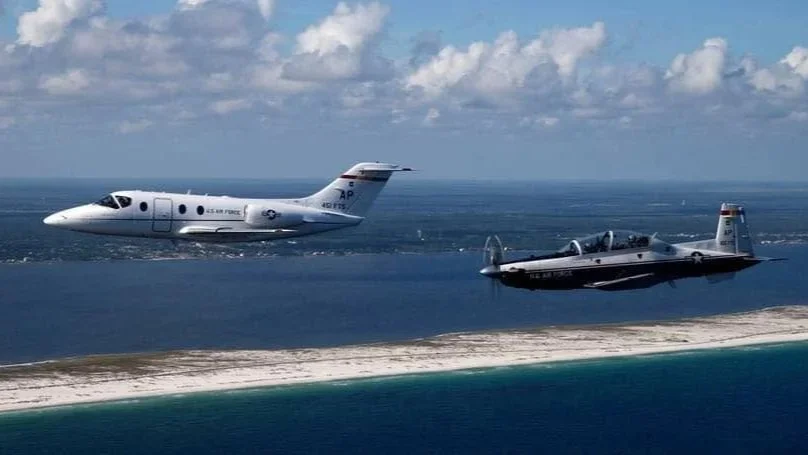
Approximately one year later, I returned to Naval Air Station Pensacola for a second Temporary Duty (TDY) assignment supporting the 451st Flying Training Squadron, where I developed immersive training for the T-1A Jayhawk phase of the curriculum. Working once again alongside instructors and aircrew, I captured authentic flight operations that reflected the procedures, standards, and crew coordination taught during the advanced stages of Combat Systems Officer training, ensuring the immersive lessons accurately represented the operational environment students would encounter.

Supporting both phases of Undergraduate Combat Systems Officer Training demonstrated how immersive technology could effectively support an entire training pipeline rather than a single course. More importantly, these assignments reinforced a philosophy that guided every Air Force project that followed: the most effective training is developed by working directly with the instructors who teach the mission and experiencing the environment firsthand.

Pilot Instructor Training (PIT)

As immersive training capabilities expanded across Air Education and Training Command, I was selected to support the Air Force's Pilot Instructor Training (PIT) program. Unlike Undergraduate Pilot Training, where the focus was on developing student pilots, PIT prepared experienced aviators to become the instructor pilots responsible for training future generations of Air Force pilots.

Working closely with instructor pilots and subject matter experts, I developed immersive learning experiences that supported classroom instruction, aircraft systems familiarization, emergency procedures, and instructional demonstrations. Every application was designed to complement established teaching methods while providing instructors with additional tools to reinforce complex concepts before students entered the aircraft.

Developing training for instructors required a different level of collaboration. Every lesson was evaluated by the pilots who would ultimately teach with it, ensuring the content accurately reflected Air Force standards, instructional methodology, and day-to-day flight operations. Their continuous feedback refined each application and strengthened the confidence required for immersive technology to become an accepted part of the training environment.

Supporting Pilot Instructor Training reinforced one of the most important lessons of my career: successful innovation depends as much on the trust of the instructors using it as it does on the technology itself. Building that trust created lasting relationships and opened opportunities to support increasingly advanced Air Force training programs in the years that followed.

Introduction to Fighter Fundamentals (IFF)

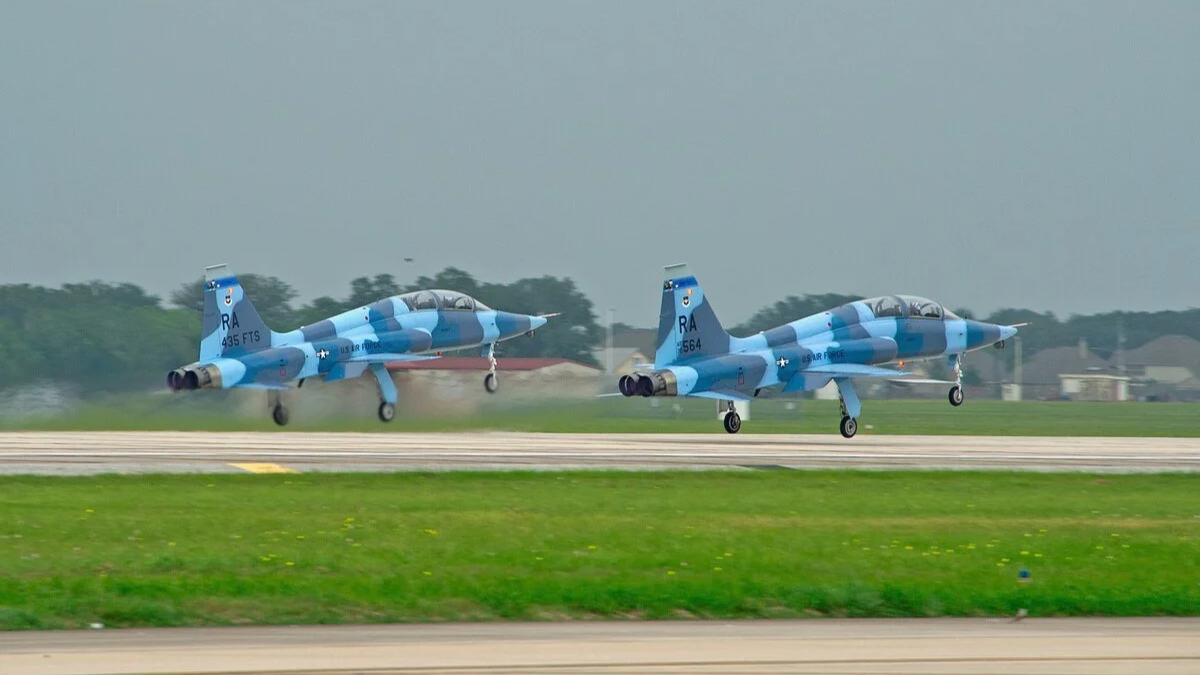
Following my work supporting Undergraduate Pilot Training, Combat Systems Officer Training, and Pilot Instructor Training, I was invited to support the Air Force's Introduction to Fighter Fundamentals (IFF) program. As the final stage of training before pilots transitioned into formal fighter aircraft qualification, IFF demanded an environment where every procedure, briefing, and training aid reflected the pace, precision, and professionalism expected within the fighter community.

Working directly alongside instructor pilots, I developed immersive learning experiences that supported cockpit familiarization, emergency procedures, tactical operations, and mission preparation before students entered the aircraft or simulator. Every lesson was developed through close collaboration with the instructors responsible for preparing future fighter pilots, ensuring the technology reinforced established training standards while providing additional opportunities for repetition and procedural confidence.

Years of collaboration across multiple Air Force training programs had fundamentally changed my role. I was no longer simply developing software for the Air Force—I had become a trusted partner working alongside the instructors responsible for shaping the next generation of fighter pilots. That trust created an environment where ideas could be openly exchanged, technology could be refined through direct operational feedback, and every solution remained focused on improving training rather than showcasing innovation.

Supporting Introduction to Fighter Fundamentals reinforced one of the most valuable lessons of my career: meaningful innovation is built on relationships long before it is built on technology. The credibility earned through years of collaboration opened doors to increasingly complex challenges and shaped not only the training I developed, but the way I approached every partnership that followed.

Advanced Instructor Course (AIC)

Building upon the success of immersive training across Undergraduate Pilot Training, Pilot Instructor Training, and Introduction to Fighter Fundamentals, I was invited to support the Advanced Instructor Course (AIC). This highly specialized program brought together hand-selected instructor pilots from across the Air Force to refine their instructional skills and prepare them to become leaders within their respective squadrons. It presented an opportunity to expand immersive training beyond student education and into the professional development of the instructors themselves.

Working alongside subject matter experts, I developed interactive learning experiences covering topics such as human performance, physiology, G-force tolerance, oxygen utilization, and advanced instructional methodology. These resources were designed to reinforce classroom instruction while giving instructors new ways to visualize complex concepts and improve knowledge retention.

As the program evolved, I also produced multimedia resources supporting the AIC curriculum, including educational videos and digital learning content that instructors could integrate into their own teaching. More importantly, these efforts helped demonstrate how immersive technologies and modern instructional media could enhance traditional pilot training without replacing the expertise of the instructor. By experiencing these tools firsthand, many instructors returned to their squadrons with a greater understanding of how simulation and digital media could strengthen their own training programs.

The greatest success of the project was not simply producing new instructional content—it was earning instructor buy-in. By demonstrating the practical value of immersive technology in one of the Air Force's most respected instructor development programs, the project helped foster broader acceptance of simulation-based learning throughout the training community. That shift in perspective laid the foundation for continued innovation as immersive technologies became an increasingly important part of military aviation instruction.

Soaring Training Program

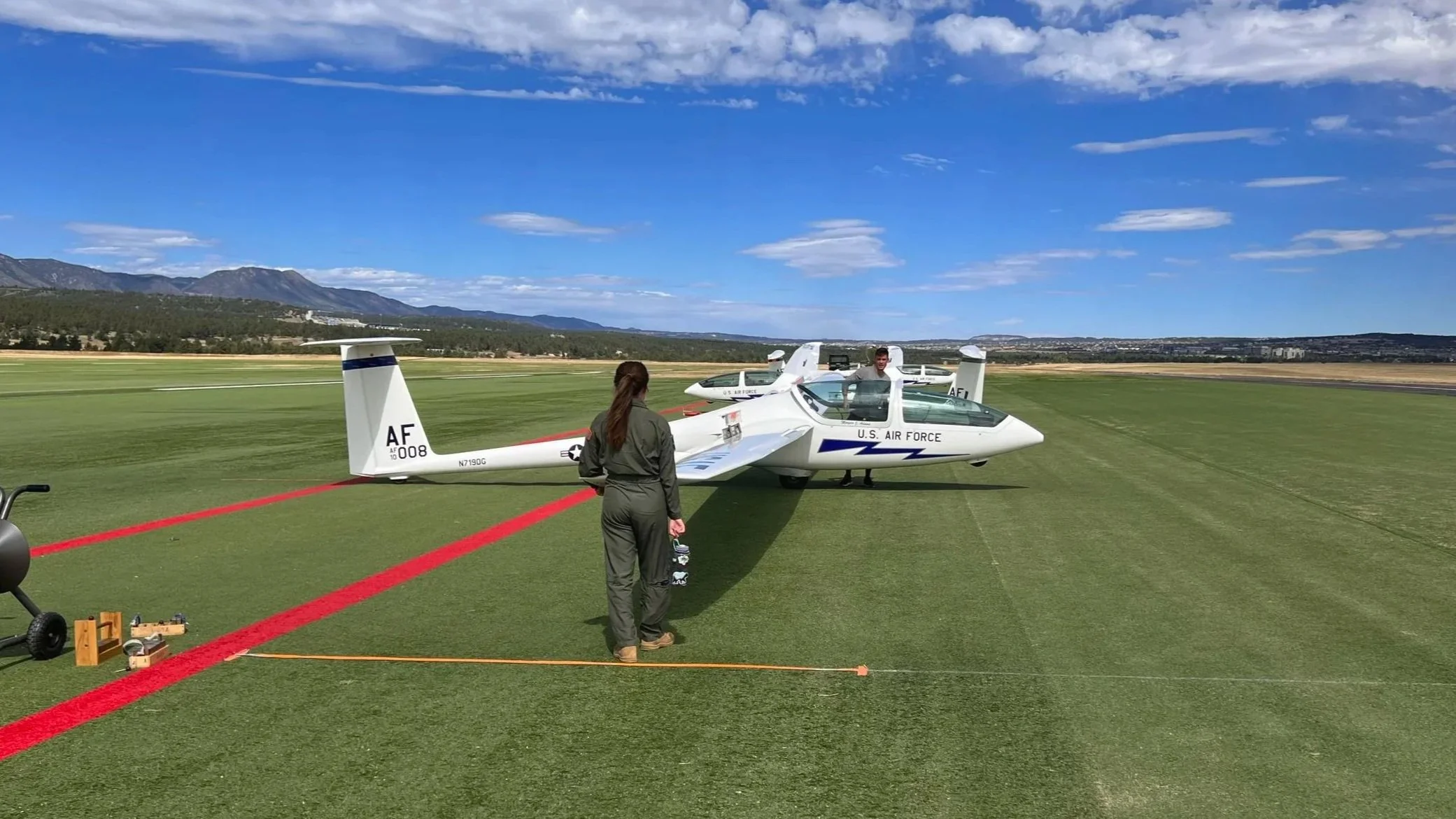
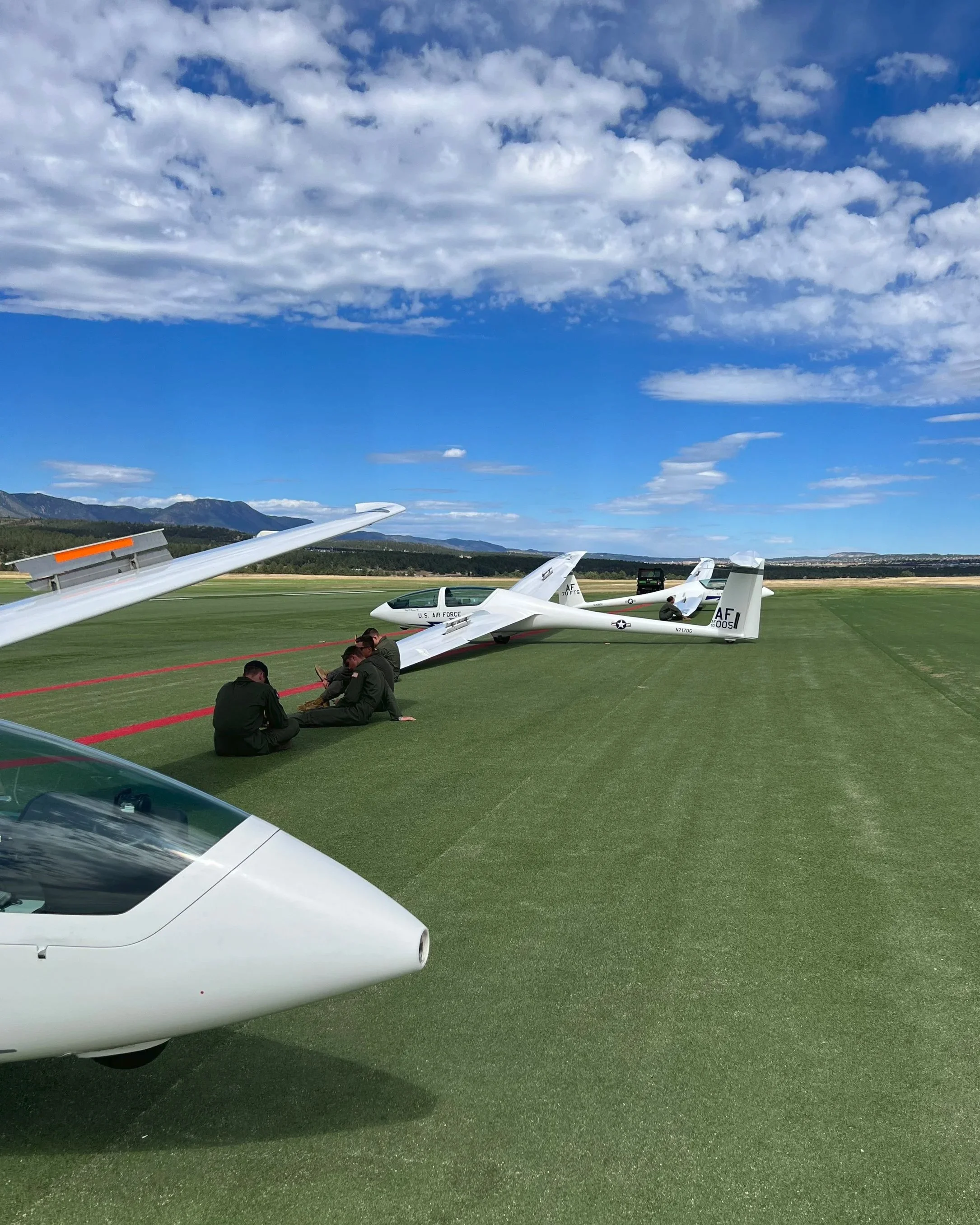
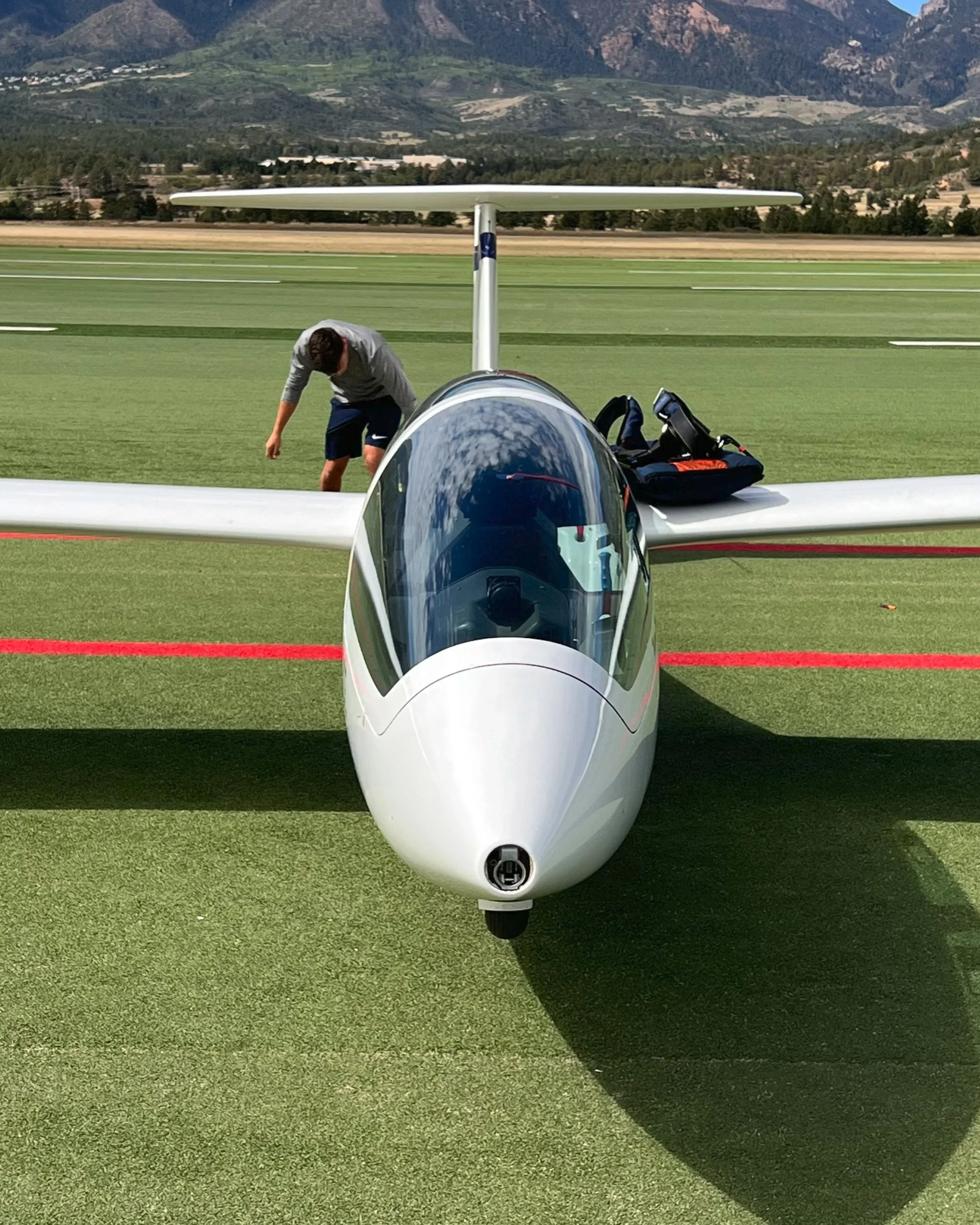
Supporting the United States Air Force Academy's soaring program with the 94th Fighter Wing, I was tasked with developing an immersive virtual reality training experience built from real-world TG-16A glider operations. The project required capturing every aspect of instruction, from aircraft familiarization and traffic patterns to local navigation and aerobatic maneuvers, creating authentic training content for future cadets.

Significant travel disruptions condensed what was originally planned as a multi-day production schedule into a single day. Working alongside the instructor pilots, I completed fifteen TG-16A flights in rapid succession, capturing every lesson required for the program. It was an exceptionally demanding day for everyone involved, but by the end of the mission all of the required flight footage had been successfully recorded.

Following on-site production, the remainder of the project was completed remotely in close collaboration with the soaring instructors. Through live screen-sharing sessions, we transformed the recorded flights into interactive virtual reality training, ensuring every lesson accurately reflected their instructional techniques and training objectives while allowing instructors to review and refine the content throughout development.

Beyond the technology, the experience left a lasting impression on me personally. Spending time with the instructor pilots and learning the fundamentals of soaring flight in the TG-16A gave me a deep appreciation for the precision and beauty of unpowered aviation. It remains one of the most memorable flying experiences of my career and inspired me to pursue glider flying in my own time.

Air Force Recruiting Service Detachment 1

As immersive training technologies gained recognition across the Air Force, I was selected to support Air Force Recruiting Service Detachment 1, the organization's premier outreach unit responsible for informing, influencing, and inspiring the next generation of Airmen. My role expanded beyond developing training applications to representing the Air Force at major aviation events, STEM programs, and community engagements across the country.

Traveling with the recruiting team, I demonstrated virtual reality experiences that allowed prospective applicants, students, educators, and families to explore military aviation in an engaging and interactive way. These experiences served as powerful conversation starters, helping bridge the gap between curiosity and understanding while showcasing the opportunities available through Air Force service.

One of the highlights of this assignment was supporting the Air Force presence at EAA AirVenture Oshkosh, the world's largest aviation gathering. Throughout the week, I spent countless hours demonstrating immersive experiences, speaking with aspiring aviators, conducting media interviews, and sharing my passion for military aviation with thousands of visitors. It was an opportunity to represent the Air Force on one of aviation's biggest stages while inspiring future generations to pursue careers in flight.

Beyond demonstrating technology, this experience reinforced the importance of authentic engagement. The most meaningful conversations rarely centered on virtual reality itself—they focused on aviation, service, and the opportunities available within the Air Force. Helping young people envision themselves in those roles made this assignment one of the most rewarding experiences of my career.

Detachment 24

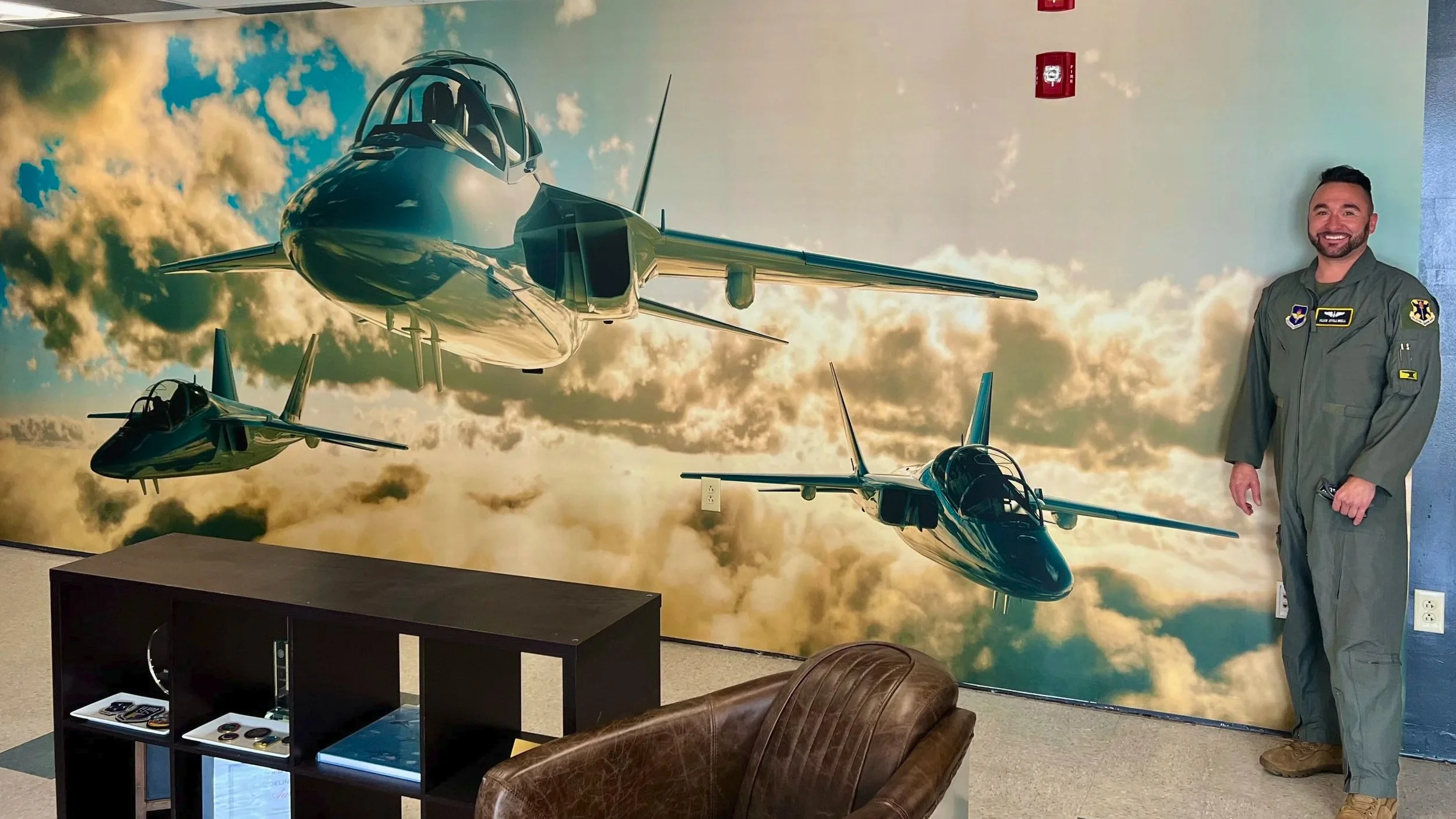
As my work continued to expand beyond immersive training, I was given the opportunity to support Detachment 24, contributing to the visual identity of one of the Air Force's newest pilot training programs. The assignment centered on developing large-scale environmental graphics that reflected the heritage, innovation, and future of the T-7A Red Hawk while creating a space that reinforced pride and professionalism for the instructors and student pilots who trained there.

Working closely with Air Force leadership, I designed a permanent installation that transformed the facility into an environment celebrating the next generation of military aviation. More than decorative artwork, the installation was created to communicate the squadron's mission and identity, serving as a daily reminder of the aircraft, the people, and the purpose behind the training conducted within its walls.

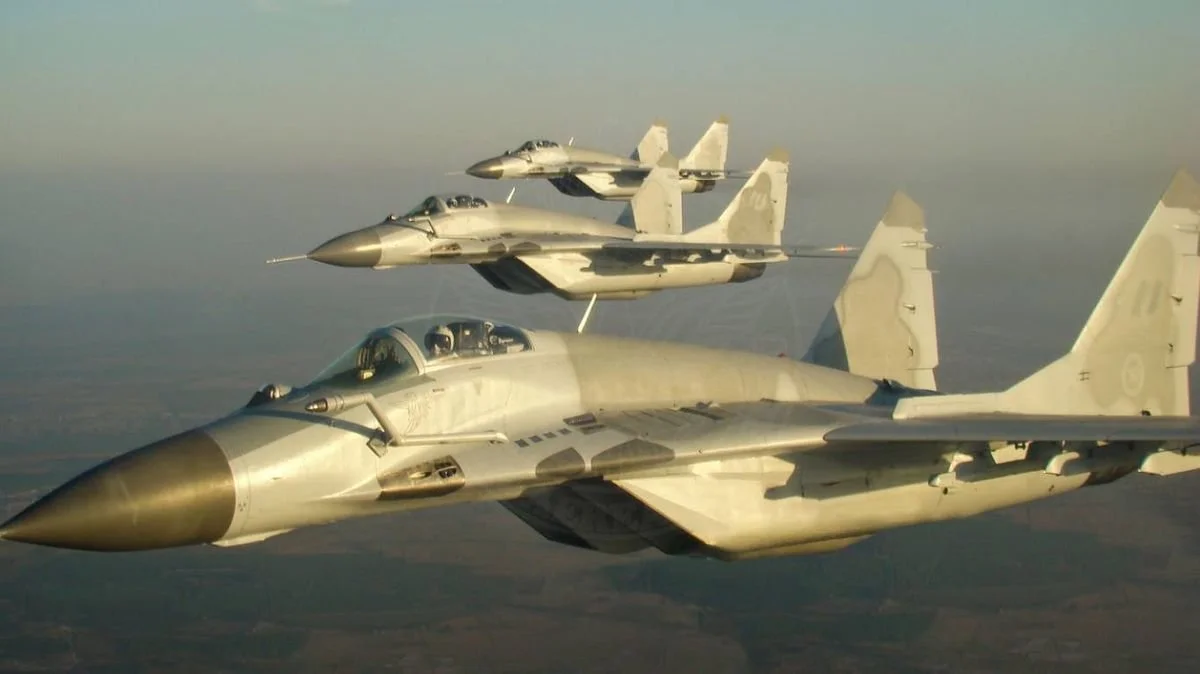
The project demonstrated that effective communication extends beyond classrooms and simulators. Whether through immersive learning, instructional media, or environmental design, every experience has the ability to shape understanding, reinforce culture, and inspire those who encounter it. Seeing the installation become a permanent part of the facility remains one of the most rewarding visual communication projects of my career.

Lockheed Martin Co & Prepar3D


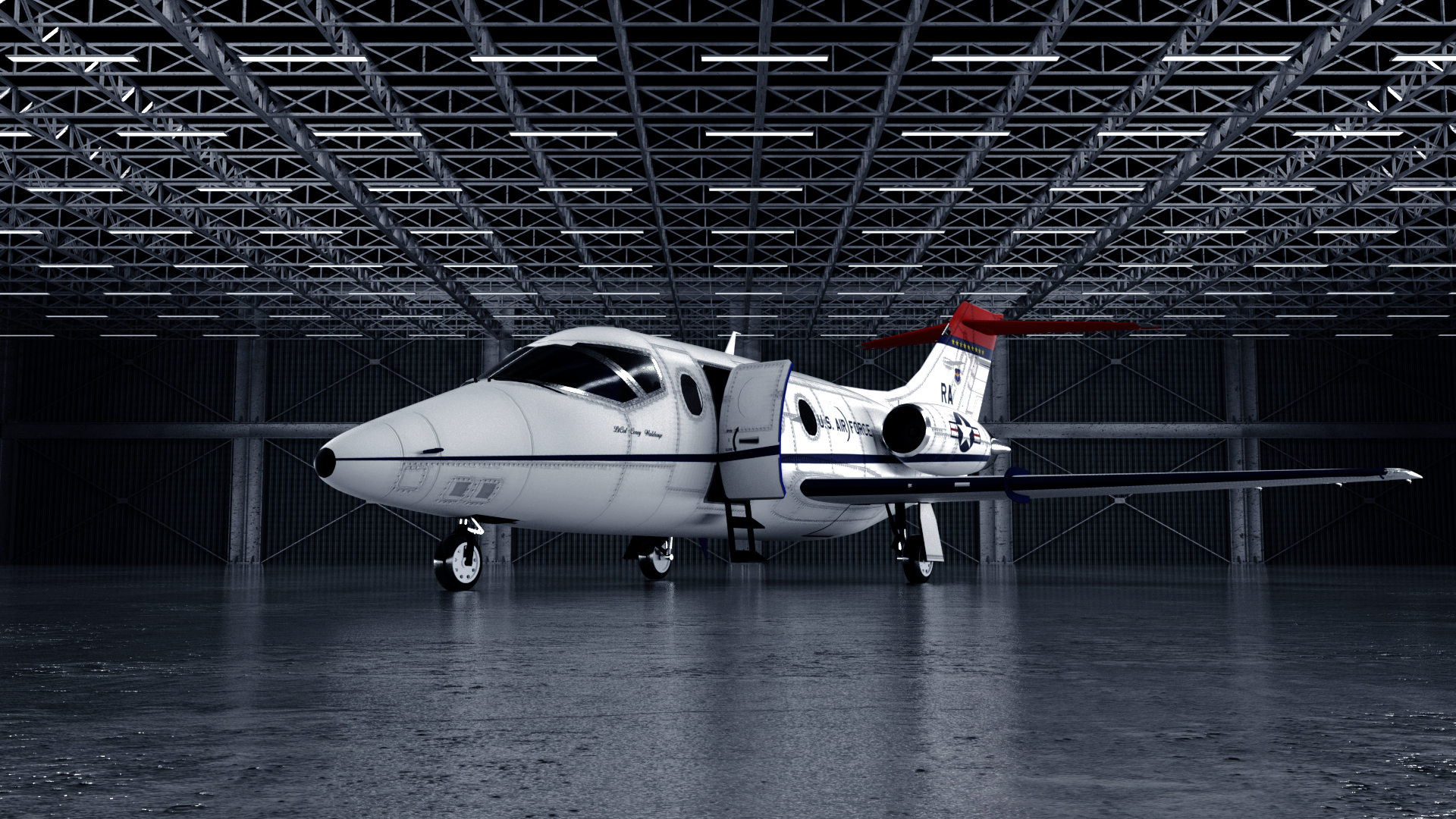
While supporting U.S. Air Force aviation training and simulation initiatives as a U.S. Government civilian, Flux Mechanics developed one of its earliest large-scale aviation simulation projects: a high-fidelity digital T-1A Jayhawk for Lockheed Martin's Prepar3D simulation platform. Built using firsthand operational flying experience, extensive aircraft reference photography, and detailed technical research, the project combined advanced aircraft modeling, texturing, and virtual reality technologies to create a high-fidelity simulation asset.

Following the initial aircraft development, the T-1A was flown to Lockheed Martin's Orlando headquarters, where Flux Mechanics worked directly with the Prepar3D engineering, modeling, and texture development teams. Over several days, hundreds of reference photographs were captured throughout the aircraft to refine the interior and exterior models for professional simulation. Combining operational experience with detailed engineering references, the collaboration established the T-1A project as an early milestone in Flux Mechanics' simulation development portfolio.

As development progressed, the project expanded beyond visual aircraft modeling into flight model refinement. Working directly with experienced T-1 instructor pilots, Flux Mechanics evaluated and refined the aircraft's configuration and performance characteristics to more accurately replicate real-world handling, aircraft performance, and operational behavior within the Prepar3D simulation environment.

Development responsibilities ultimately expanded to include direct modification and tuning of the aircraft's configuration files through an iterative process of testing, instructor pilot feedback, and continuous refinement. This collaborative engineering effort significantly improved the fidelity of the simulation, demonstrating the value of combining operational aviation experience with advanced digital aircraft development while contributing to a more accurate and realistic training platform.

Early exterior development render of the T-1A Jayhawk created during collaborative development for the Lockheed Martin Prepar3D simulation platform.

Martin Baker Co.


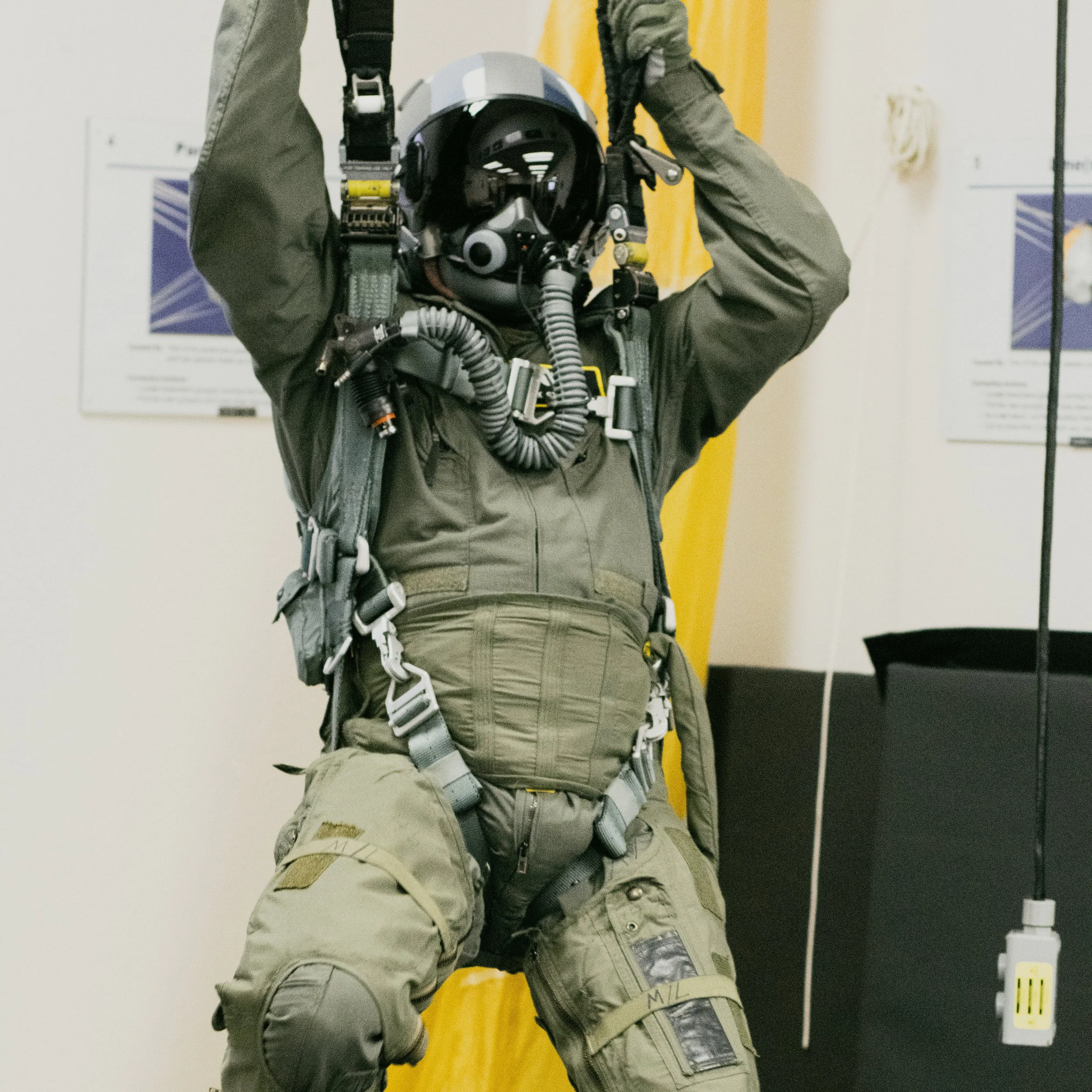
Martin-Baker Aircraft Company is the world's leading manufacturer of ejection seats and crash worthy aviation safety systems, supporting military aircraft fleets across the globe. Flux Mechanics was commissioned to produce aerial photography supporting Martin-Baker's marketing campaign, capturing the performance, innovation, and operational capability of its aviation safety systems through authentic in-flight imagery.

Aerial Photography Campaign

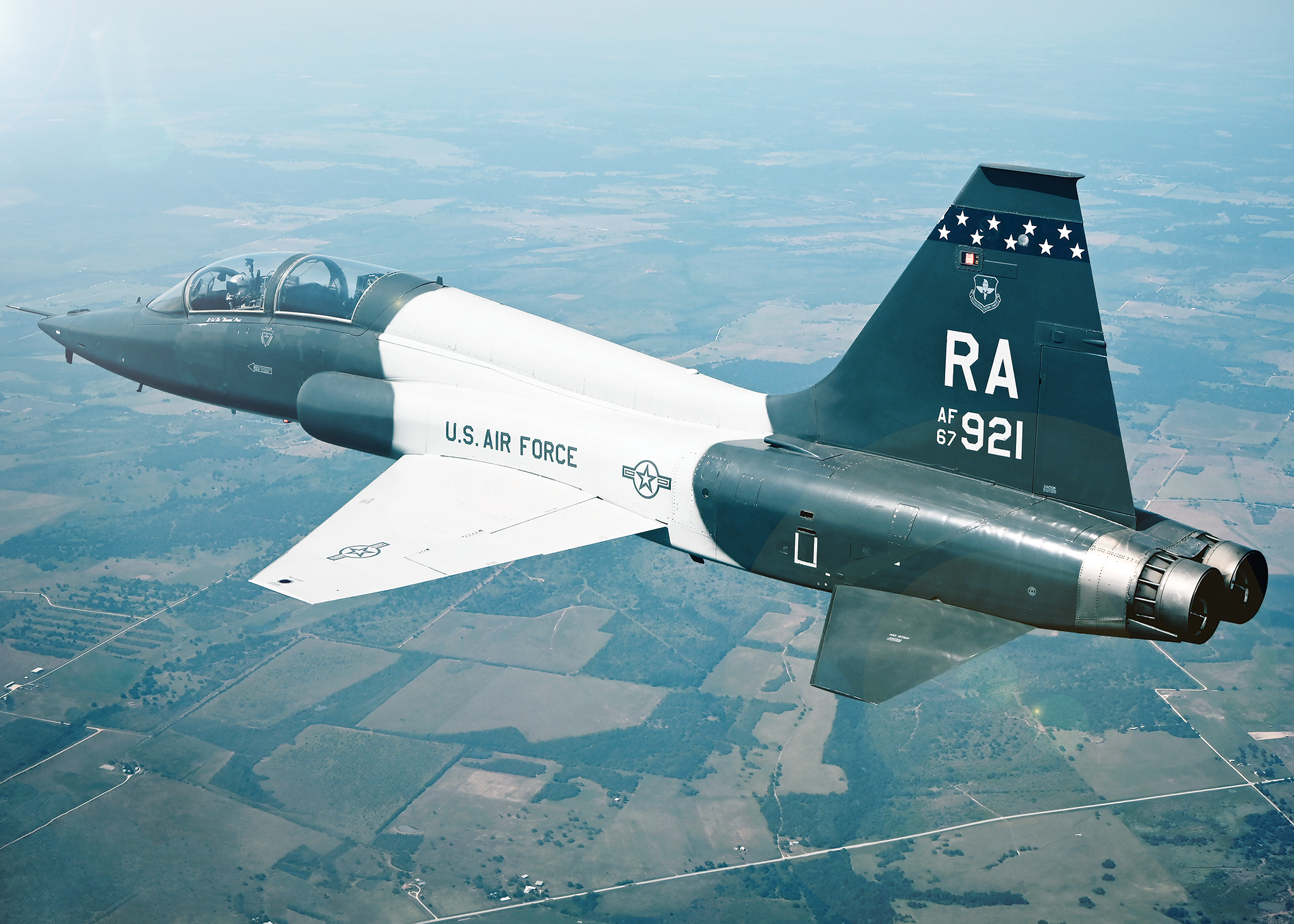
In 2023, Flux Mechanics was commissioned by Martin-Baker Aircraft Company to produce aerial photography supporting its global marketing initiatives. The assignment focused on capturing authentic in-flight imagery of Martin-Baker aircrew safety systems in operational environments, highlighting the company’s engineering excellence, product innovation, and commitment to pilot safety. Imagery produced through this work has been featured across Martin-Baker’s website and marketing materials, including imagery that remains in use on the company’s public website today.

AIR TRANSPORT SERVICES GROUP


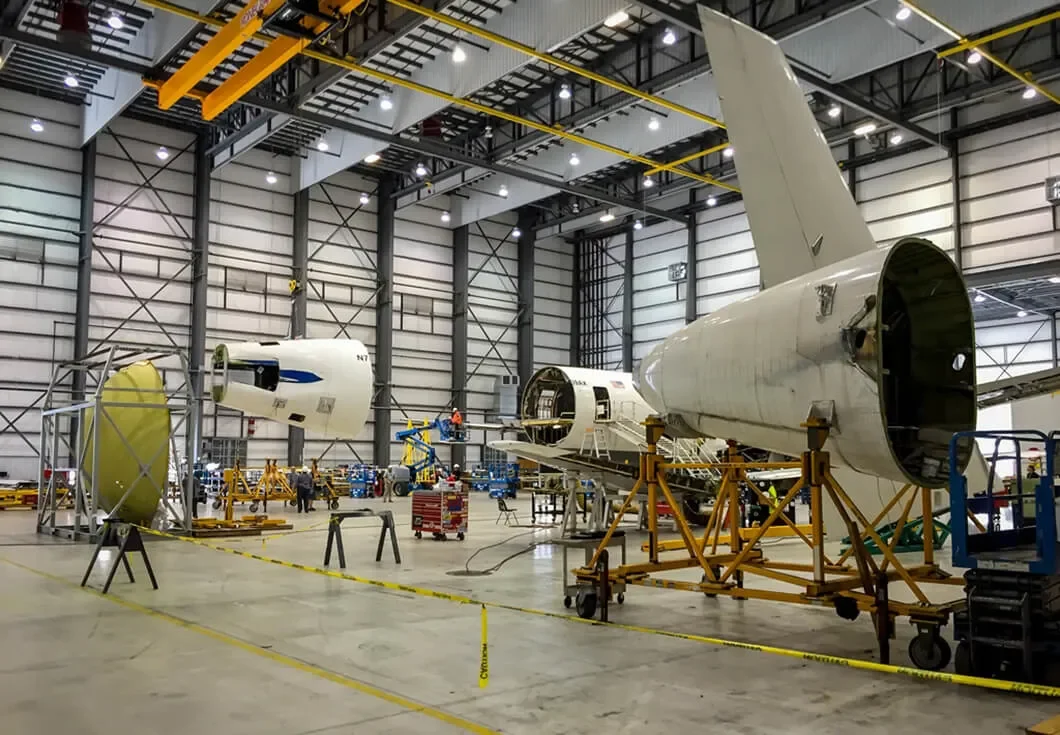
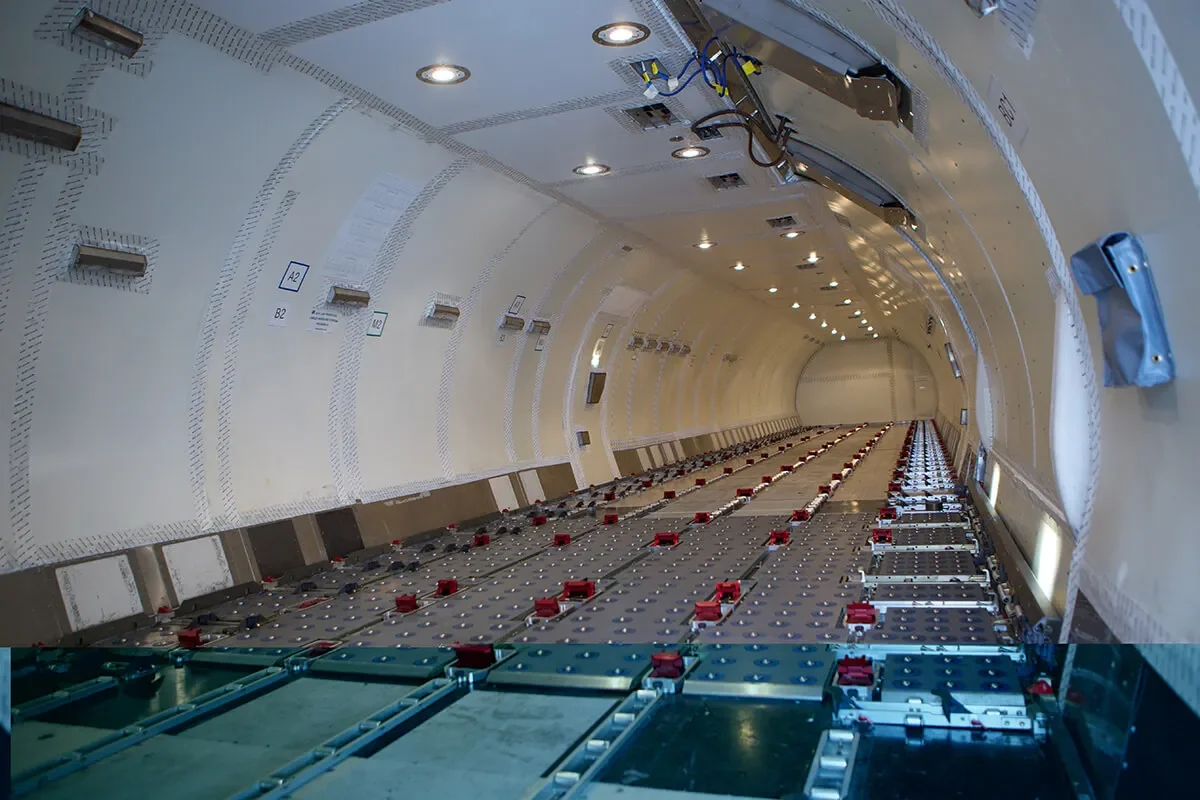
Air Transport Services Group (ATSG) is a global provider of air cargo transportation, aviation training, and aircraft services. Flux Mechanics collaborated with ATSG to develop immersive virtual reality recruiting experiences designed to showcase key operational departments and career opportunities throughout the organization.

Virtual Reality Recruiting Experience

In partnership with Paul Heltmeyer of High Flight Ventures LLC, Flux Mechanics collaborated with ATSG to design and develop immersive virtual reality recruiting experiences for aviation job fairs and hiring events. The project showcased key operational departments, including the CNC Shop, Avionics, Pilot Training, Aircraft Maintenance, Refurbishing, and Tire Repair, providing prospective employees with an engaging introduction to careers across the organization.

Developed specifically for aviation job fairs and recruiting events, the goal of these VR tours was to give potential candidates an authentic preview of life at ATSG. Through these experiences, new hires can:

  • Explore the aviation work environment in their chosen field

  • Meet department managers and future team members virtually

  • Learn the history, mission, and culture of ATSG

  • Gain valuable insight into the company’s leadership and career growth opportunities

The completed VR experience provided prospective employees with an immersive introduction to ATSG's operations, allowing candidates to explore facilities, understand career opportunities, and experience the work environment before applying.